← All research reports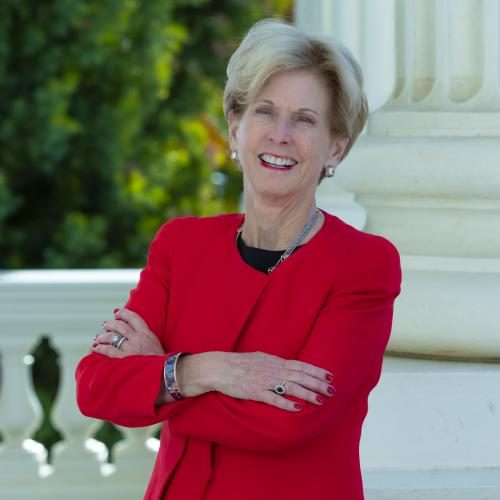
Capitol Daybook Research · Dossier
Dossier: Diane Dixon (AD-72)
AD-72 · Assembly
Dossier3,458 wordsUpdated November 13, 2026
Free to read. This member is retiring, and Capitol Daybook Research publishes the books of retiring members in full.
CandidateDiane Dixon
Executive summary
Diane Dixon is the Republican assemblymember for District 72, registered 39.3 percent Republican and 32.1 percent Democratic, who ran for Orange County Supervisor, District 5, trailing Katrina Foley 51.57 percent to 48.43 percent in the uncalled runoff count (Section 1).
Contents
Cover1. Cover and race snapshotExecutive BriefVulnerabilities2. Executive summary and top vulnerabilities3. Biographical file4. Record in office5. The money6. Economic interests and business record7. Legal and court record8. Public records file9. Issues and statements fileFlip-Flop Matrix10. Social media audit11. Associates12. Timeline13. Appendix: source indexUpdated November 13, 2026
The Vulnerability Matrix
The items below are the documented findings in this dossier that an opposing campaign would most likely cite against Assemblymember Dixon, who did not seek a third Assembly term and ran for Orange County Supervisor. Each item is drawn entirely from this dossier's own findings. These are flags drawn from the record, not verdicts.
1. Close losses at the next level up, and a supervisor bid trailing in the runoff count
| The Fact (documented basis) | She lost her first Assembly bid in 2020 to Cottie Petrie-Norris by about 2,500 votes, then won the redrawn 72nd district in 2022 and was reelected in 2024 with 59.5 percent (Sections 2 and 3) [2][7]. In the June 2026 supervisor primary, Katrina Foley took 47.0 percent (85,164 votes) to Dixon's 46.8 percent (84,849), and both advanced (Section 1) [3]. In the November 3, 2026 runoff, Foley leads 51.57 percent to 48.43 percent in the count as of November 4, a margin reported at 5,489 votes, and the race has not been called in the sources reviewed (Section 1) [4][5]. |
|---|---|
| Political Vulnerability | An opponent would say Dixon is a strong local official who plateaus at the county line, losing narrowly each time she runs beyond her base. |
| Subject Defense (explanation and resolving record) | The dossier frames the pattern as the opposition frame for the runoff's closing argument, and notes neither campaign had conceded in the sources reviewed and the book does not call the race (Section 9) [4][5]. The resolving record is the certified runoff result, not in the sources reviewed. |
2. A career fortune at a company still listed as an income source on her final Form 700
| The Fact (documented basis) | She spent 40 years in the private sector, 30 of them as a senior executive at a Fortune 300 company, identified by CalMatters' Digital Democracy as Avery Dennison (Section 3) [7]. Her 2025 annual Form 700, filed January 27, 2026, reports Avery Dennison Corporation on Schedule C as an income source, consistent with deferred or retirement income from her career there (Sections 2 and 6) [6][7]. |
|---|---|
| Political Vulnerability | An opponent would say Dixon's wealth was built over three decades as a senior executive at Avery Dennison, a company still on her disclosures as she sought to govern the county. |
| Subject Defense (explanation and resolving record) | The dossier records no specific transaction behind the Schedule C line, and states her private sector compensation history and any pension or deferred compensation terms behind the line are Deep Book items, with no queue ID assigned in the dossier (Section 6). No resolving record is recorded beyond the filing itself. |
3. A prosecutor husband inside the county she sought to govern
| The Fact (documented basis) | Pat Dixon, a career prosecutor serving as Special Counsel to the Orange County District Attorney, is her husband; they have been married 48 years (Sections 2, 3, and 11) [2]. |
|---|---|
| Political Vulnerability | An opponent would say Dixon's husband serves as Special Counsel to the Orange County District Attorney, raising a conflict question for a supervisor's office that funds and oversees county functions adjacent to the District Attorney. |
| Subject Defense (explanation and resolving record) | The dossier presents the role as both her best biographical asset and the conflict question a supervisor's office would face on day one, and notes his records as a special counsel are county records subject to prosecutorial exemptions and are his file, not hers (Sections 2 and 8). It records no specific conflict, transaction, or recusal question, and no resolving record. |